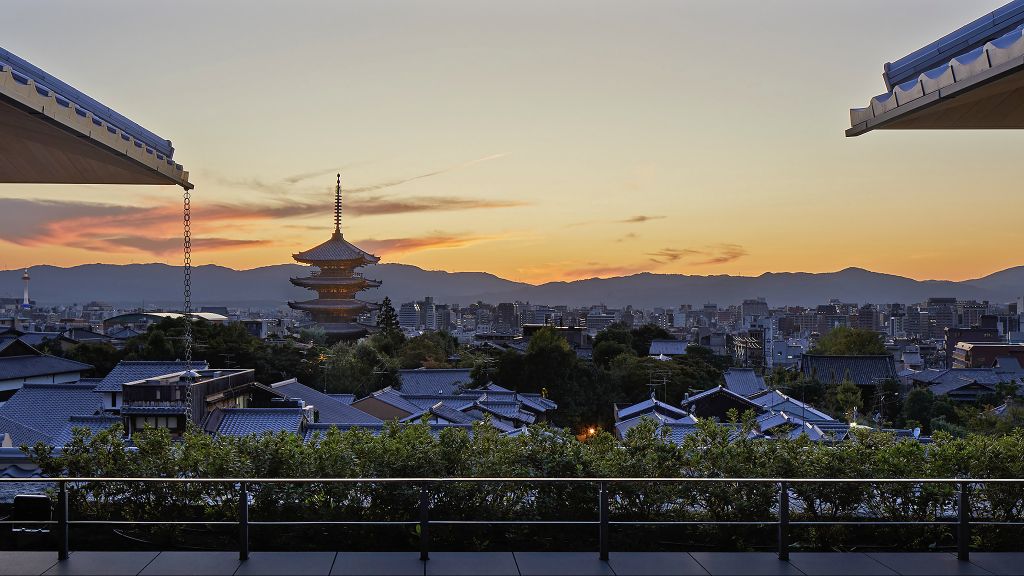
Park Hyatt Kyoto is the most architecturally and operationally serious contemporary luxury hotel in Japan's ancient imperial capital — and the property where the Park Hyatt brand's specific approach to culturally grounded luxury hospitality has been most carefully calibrated for the Kyoto context. Opened in October 2019 on the Higashiyama hillside, the resort occupies a singular site adjacent to the historic Yasaka Pagoda (the iconic five-storey pagoda of Hōkan-ji Temple) and within the protected Higashiyama district — the most carefully preserved historic Kyoto neighbourhood, with the surrounding traditional ryokan inns, the temple-and-shrine concentration of Yasaka, Kiyomizu-dera and Kōdai-ji, and the substantial cultural-and-heritage architectural envelope that defines old Kyoto. The 70 rooms and suites, the dedicated Yasaka Pagoda-view configurations, the celebrated Yasaka restaurant programme, and the Park Hyatt operational standards together produce a Kyoto luxury hotel experience that the alternative contemporary properties cannot match. For broader context, see our Best Luxury Hotels in Japan guide and the Park Hyatt Hotels chain guide.
The Setting: Higashiyama and the Yasaka Pagoda
Park Hyatt Kyoto occupies a singular site on the Higashiyama hillside — the most carefully preserved historic neighbourhood in Kyoto, on the eastern side of the Kamo River and the Kamo Plain. The position is meaningfully different from the alternative Kyoto luxury hotels (the Aman Kyoto in the northern hills, the Four Seasons Hotel Kyoto in the central-eastern Higashiyama-Shichijō area, the Ritz-Carlton Kyoto on the Kamogawa riverside). First, the Yasaka Pagoda adjacency: the property sits immediately below the Yasaka Pagoda (the 1440-rebuilt five-storey pagoda of Hōkan-ji Temple, one of the most photographed Kyoto landmarks), with the pagoda visible from multiple property positions and the substantial number of rooms specifically configured for the pagoda view. Second, the temple-and-shrine concentration: the property's Higashiyama position places it within walking distance of essentially every major Higashiyama temple and shrine — Yasaka Shrine, Maruyama Park, Kōdai-ji, Kiyomizu-dera, Sanjūsangen-dō — supporting the cultural-led traveler with the most operationally efficient temple-and-shrine access at any Kyoto luxury hotel. Third, the traditional Kyoto neighbourhood: the surrounding Higashiyama district is the most carefully preserved traditional Kyoto neighbourhood, with the historic ryokan inns, the traditional Japanese craft and tea shops, and the substantial historic-residential architectural fabric.
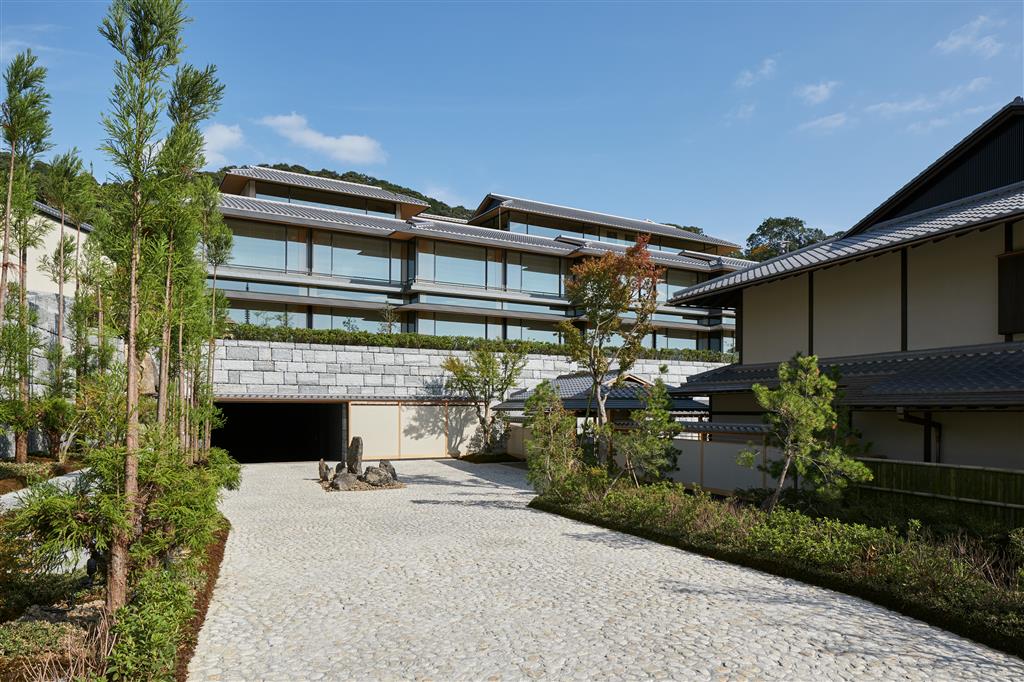
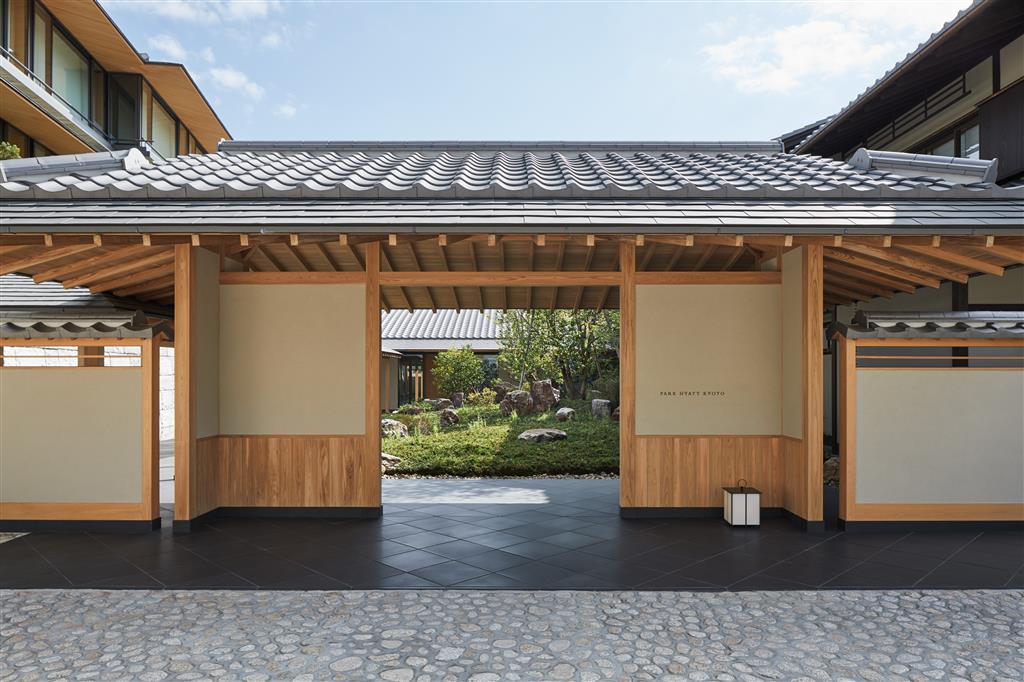
The architectural philosophy was developed by Takenaka Corporation in collaboration with the Tokyo-based architecture practice — emphasising the integration with the surrounding Higashiyama traditional architectural envelope rather than imposing a globally homogenised hotel-brand aesthetic. The materials palette emphasises the Japanese vernacular: the locally sourced timber, the dark roof tiles that reference the surrounding temple architecture, the carved stone walls, and the substantial garden landscaping that integrates the original Higashiyama hillside vegetation with the introduced traditional Japanese garden programming. The result is the most architecturally integrated contemporary luxury hotel in the Kyoto luxury market — meaningfully more deferential to the surrounding heritage than the alternative Kyoto luxury properties' more autonomous architectural statements.
The Architectural Heritage: Kyo-Yamato Ryokan
The Park Hyatt Kyoto property's most distinctive operational feature is its specific architectural heritage — the property occupies the same site as the historic Kyo-Yamato ryokan (the traditional Japanese inn that operated on this site across more than 100 years of continuous Higashiyama hospitality history). The Park Hyatt's contemporary luxury programme retains the historic Kyo-Yamato ryokan as a still-operating dedicated traditional Japanese restaurant within the broader Park Hyatt property — a deliberate architectural and operational decision that maintains the site's heritage continuity. The Kyo-Yamato dining configuration is among the most architecturally distinctive single dining venues in any global luxury hotel, with the substantial traditional Japanese kaiseki programme that the historic inn has refined.
The Room Categories: 70 Across Multiple Tiers
Park Hyatt Kyoto operates 70 rooms and suites — a deliberately small inventory that produces a guest-to-staff ratio meaningfully higher than the typical Japanese luxury hotel and supports the absolute privacy that the heritage-Higashiyama configuration specifically requires. The accommodations are organized across three buildings (the East Wing, the West Wing, and the Garden Wing), with the room categories reflecting both the building position and the specific view orientation (the Yasaka Pagoda direction, the central Kyoto skyline direction, or the dedicated Japanese garden orientation).
Park King / Park Twin (the entry-level luxury accommodation)
The Park Kings and Park Twins — at 51 sq m (550 sq ft), with the contemporary Japanese palette and the dedicated Park Hyatt bedding programme — are the property's standard accommodation. The configuration includes the marble bathroom with the deep ofuro-style soaking tub at the window (the morning bath with the Higashiyama hillside view is among the most distinctive Kyoto hotel experiences), the king bed with the substantial linen specification and the specific Japanese-textile programming, and the carefully calibrated window orientation that the room category supports. The Park Room size meaningfully exceeds the typical Kyoto luxury hotel standard at the entry-level luxury tier.
Garden View / Pagoda View Rooms (the upgraded view configurations)
The Garden View Rooms feature the orientation toward the property's dedicated traditional Japanese gardens. The Pagoda View Rooms specifically feature the unobstructed direct Yasaka Pagoda view — the most-requested specific category for guests booking through the WhataHotel! preferred partner channel, with the iconic five-storey pagoda silhouette as the bedroom's specific backdrop. The Pagoda View configuration is the primary value-lever target for the upgrade priority that the Hyatt Privé programme delivers.
Suite categories (the larger configurations)
The Park Suites at 102 sq m add separate living rooms with the wraparound Higashiyama view. The Park Deluxe Suites add the substantial garden-orientation. The Imperial Suite is the property's flagship single accommodation — three bedrooms, multiple living and dining areas, the dedicated outdoor terrace with the most extensive Yasaka Pagoda view at the property, and the dedicated butler service that the rate justifies.
The Restaurant Programme: Yasaka, Kyo-Yamato, and Kohaku
Yasaka is the resort's signature contemporary Japanese fine dining destination — the menu drawing on the traditional Kyoto culinary canon (the kaiseki kaiseki-tradition multi-course tasting programme, the Kyoto regional vegetables and the specific seasonal ingredient palette that the Kyoto culinary tradition has refined across more than 1,000 years) at the contemporary luxury level. The dining room's open-air position with the dedicated Japanese garden view, the substantial Japanese sake and Japanese whisky programmes, and the chef's specific approach to the contemporary expression of the Kyoto kaiseki tradition produce one of the most architecturally and gastronomically distinctive fine dining experiences in the city.
Kyo-Yamato is the historic ryokan-tradition Japanese restaurant — the continuation of the more-than-100-year Kyo-Yamato ryokan hospitality, with the substantial traditional Japanese kaiseki programme delivered in the dedicated historic Japanese architectural envelope. The Kyo-Yamato dining experience is meaningfully different from the contemporary Yasaka — the traditional tatami-room configurations, the historic kaiseki service traditions, and the specific Kyoto cultural identity that the heritage Kyo-Yamato has refined across its continuous operational history. Kohaku is the property's signature cocktail venue with the substantial Japanese whisky programme (the property's collection of Japanese single-malt whiskies is among the most carefully curated in Kyoto) and the contemporary cocktail programme calibrated to the Park Hyatt brand's specific approach.
The Spa and Wellness Programme
Park Hyatt Kyoto's wellness programme operates at a deliberately smaller scale than the major resort-spa configurations — the property's specific commitment is the more intimate Japanese-tradition wellness expression rather than the international luxury spa-resort programming. The dedicated wellness facility includes multiple treatment rooms with the specific Japanese-tradition treatments (the deep ofuro-bathing experiences in private suites, the shiatsu pressure-point therapy delivered by qualified Japanese practitioners, the dedicated Japanese aromatherapy programme using the locally sourced Kyoto botanicals), the substantial indoor wellness pool, and the substantive sauna and steam circuit. The wellness programme's intimate scale specifically supports the property's broader commitment to the deferential-to-heritage operational philosophy.
Position in the Kyoto Luxury Market
Kyoto's luxury hotel market has grown substantially across the 2018-2024 period, with several distinguished contemporary luxury entries: the Aman Kyoto (the contemplative-Japanese specialist in the northern hills, the most operationally substantive Aman-tradition Kyoto property), the Four Seasons Hotel Kyoto (the Higashiyama-Shichijō contemporary luxury), the Ritz-Carlton Kyoto (the Kamogawa riverside Marriott STARS property), the Six Senses Kyoto (the contemporary contemplative-wellness specialist), the Mitsui Kyoto (the Marriott Luxury Collection heritage property), the Imperial Hotel Kyoto (the Imperial Hotel's recent Kyoto entry), and the smaller boutique heritage ryokan alternatives. Park Hyatt Kyoto's specific position among these is the combination: the only Park Hyatt property in Kyoto, the most architecturally deferential contemporary luxury integration with the Higashiyama district, the only property with the dedicated Yasaka Pagoda adjacency, the operational continuity with the historic Kyo-Yamato ryokan heritage, and the Hyatt Privé preferred partner relationship. For the traveler whose Kyoto motivation includes the maximum heritage-and-cultural engagement at the contemporary Park Hyatt operational standard, Park Hyatt Kyoto is the strongest single recommendation.
The Hyatt Privé Booking Through WhataHotel!
Park Hyatt Kyoto books through the Hyatt Privé preferred partner program — the brand's tier-1 preferred partner relationship that WhataHotel! holds across the global Hyatt luxury portfolio. The benefits at this property include daily breakfast for two at Yasaka or in-room (the elaborate Japanese-international breakfast configuration with the substantial à la carte options is among the most generous breakfast experiences at any Kyoto luxury hotel), $100 USD hotel credit per stay (typically applied at Yasaka, Kyo-Yamato, Kohaku, or the spa), upgrade priority at check-in (the Park King to Garden View Room or Pagoda View Room upgrade is the primary value lever), early check-in and late checkout on priority basis, and a personalised welcome amenity. The Hyatt Privé rate matches the rate on hyatt.com directly. The benefits arrive at zero additional cost.
For the World of Hyatt loyalty program member, the Hyatt Privé booking stacks with Globalist and Lifetime Globalist elite benefits — the configuration that produces the strongest possible outcome at any Park Hyatt property. Hyatt Privé-tier guests typically receive both the suite upgrade priority and the late checkout that the standard preferred partner package establishes, plus the World of Hyatt elite tier-specific benefits.
When to Visit
Kyoto's most pleasant weather runs across two specific cultural-aligned windows: late March through early April (the cherry blossom season — the most internationally celebrated period for Kyoto travel, with the cherry trees of Maruyama Park, the Philosopher's Path, the Heian Shrine, and the substantive Higashiyama temple gardens at their most photographically rewarding) and early-to-mid November (the autumn foliage season — the maple trees of Eikan-dō, Tofuku-ji, Kiyomizu-dera, and the substantive temple gardens at their most photographically rewarding, with meaningfully better availability than the cherry blossom weeks). These two windows produce the strongest demand and rates; the Park Hyatt's Higashiyama position is particularly valuable during these peaks because the property is within walking distance of essentially every major cherry-blossom and autumn-foliage destination.
The summer months (July-August) are typically Kyoto's most humid and warmest — but produce the substantive Gion Matsuri Festival (mid-July, one of Japan's most significant traditional festivals, held in the immediately adjacent Gion district), the largest demand week of the year. The winter months (December through February) are cold but produce the most peaceful Higashiyama experience, with the dedicated wintertime temple programming and the meaningfully better availability and rates. The shoulder seasons (May, September, October, early-November) deliver the strongest combination of pleasant weather, cultural programming, and preferred partner availability.